
I’ve spent my entire life basking in the warmth of Southeast Asia, where the mercury hovers generously between 25 and 35 degrees Celsius. That’s a balmy 77 to 95 degrees Fahrenheit for my friends across the pond in America. The constant heat, while often a blessing, has left me daydreaming about chillier climates. Imagine a world where you don’t have to worry about being hot and sweaty—sounds like a dream, doesn’t it? So, driven by my curiosity and a desire for a cooler experience, I dove deep into the research and I’m excited to bring you the definitive rundown. Here it is: the top 10 list of the coldest country in the world! Let’s embark on this frosty journey together, and trust me, you won’t believe how cold it gets!
[ez-toc]
As I sit here in my comfortably warm room, I can’t help but marvel at Earth’s incredible diversity. From the fiery eruptions of Mauna Loa in Hawaii to the bone-chilling heights of Mount Everest cresting the Great Himalayas, our planet offers extremes that both entice and intimidate. Living under such conditions seems almost unimaginable for someone like me, a typical city dweller accustomed to flat sidewalks and climate-controlled environments. Yet, there’s a certain allure to these extreme climates, a testament to the saying, “all things for all people.” Whether it’s the scorching heat of a volcano’s edge or the icy winds at the summit of the world, each provides a unique backdrop to life’s rich tapestry.
Icebound Adventures: Are You Brave Enough to Visit the Coldest Country in the World?
1) Antarctica
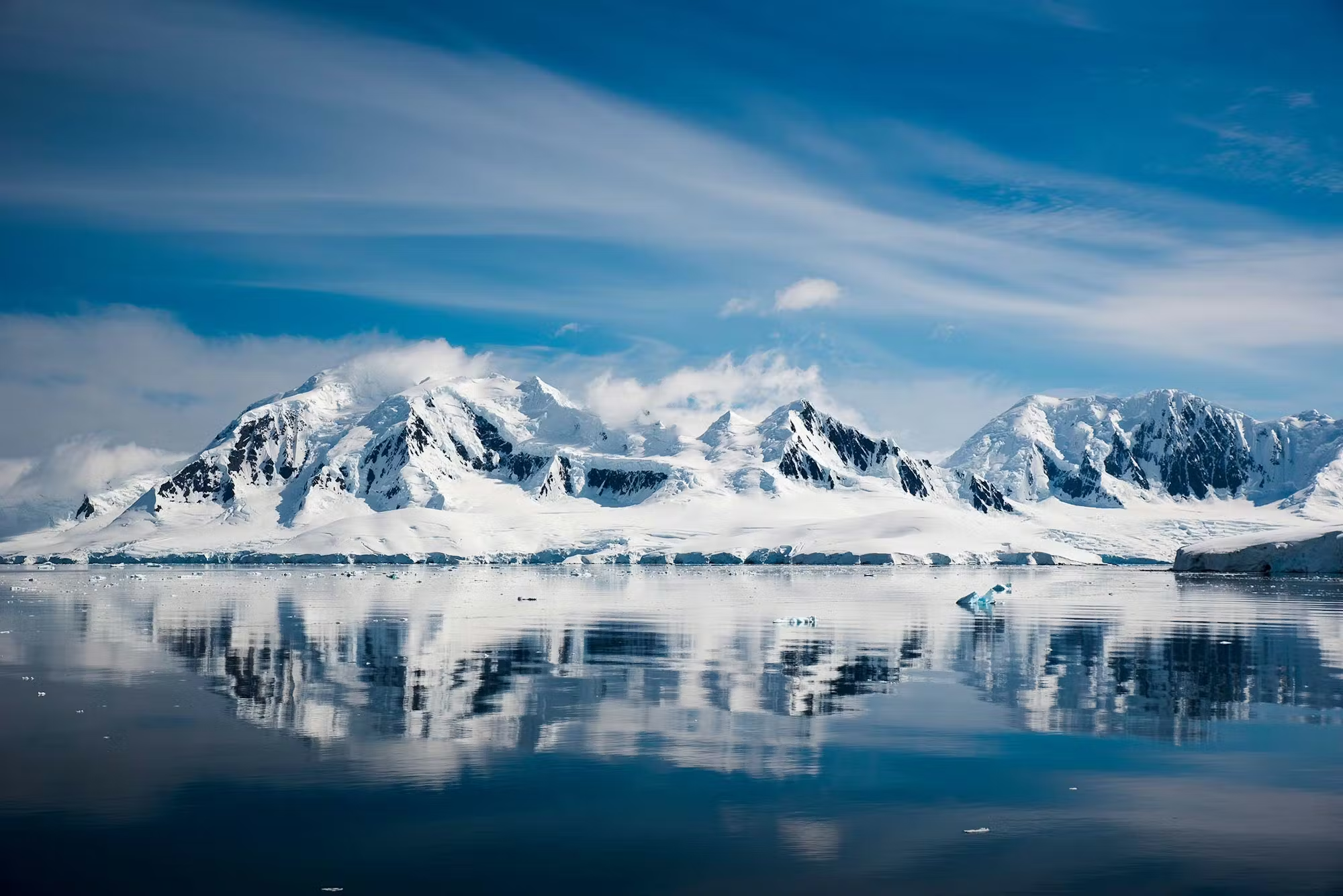
The coldest spot in the world is hands down Antarctica. Just imagine, the lowest temperature ever recorded here was a bone-chilling -89.6°C! Yes, you heard that right. This mind-blowing temperature was recorded at the Soviet Union’s Vostok Station in 1983, marking it the lowest temperature ever observed in the Southern Hemisphere.
Covering this icy expanse, approximately 60% of Earth’s freshwater is locked within Antarctica’s massive ice sheets, transforming the landscape into a vast, frigid wilderness. The average annual temperature hovers around -49 degrees Celsius (-56 degrees Fahrenheit), plunging even further during the harsh winters to lows of -80 degrees Celsius (-112 degrees Fahrenheit). This environment, featuring huge icebergs, towering glaciers, and an expansive polar desert, is as stunning as it is extreme.
Despite its extreme cold, Antarctica remains uninhabited by permanent residents. However, it becomes a bustling hub of activity in the summer months with scientific research stations manned by international teams. These intrepid scientists brave the severe conditions to study the unique ecology, climate patterns, and the effects of global warming. Their research in such an extreme environment is crucial, offering insights into the planet’s climatic history and the potential impacts of climate change.
2) Greenland
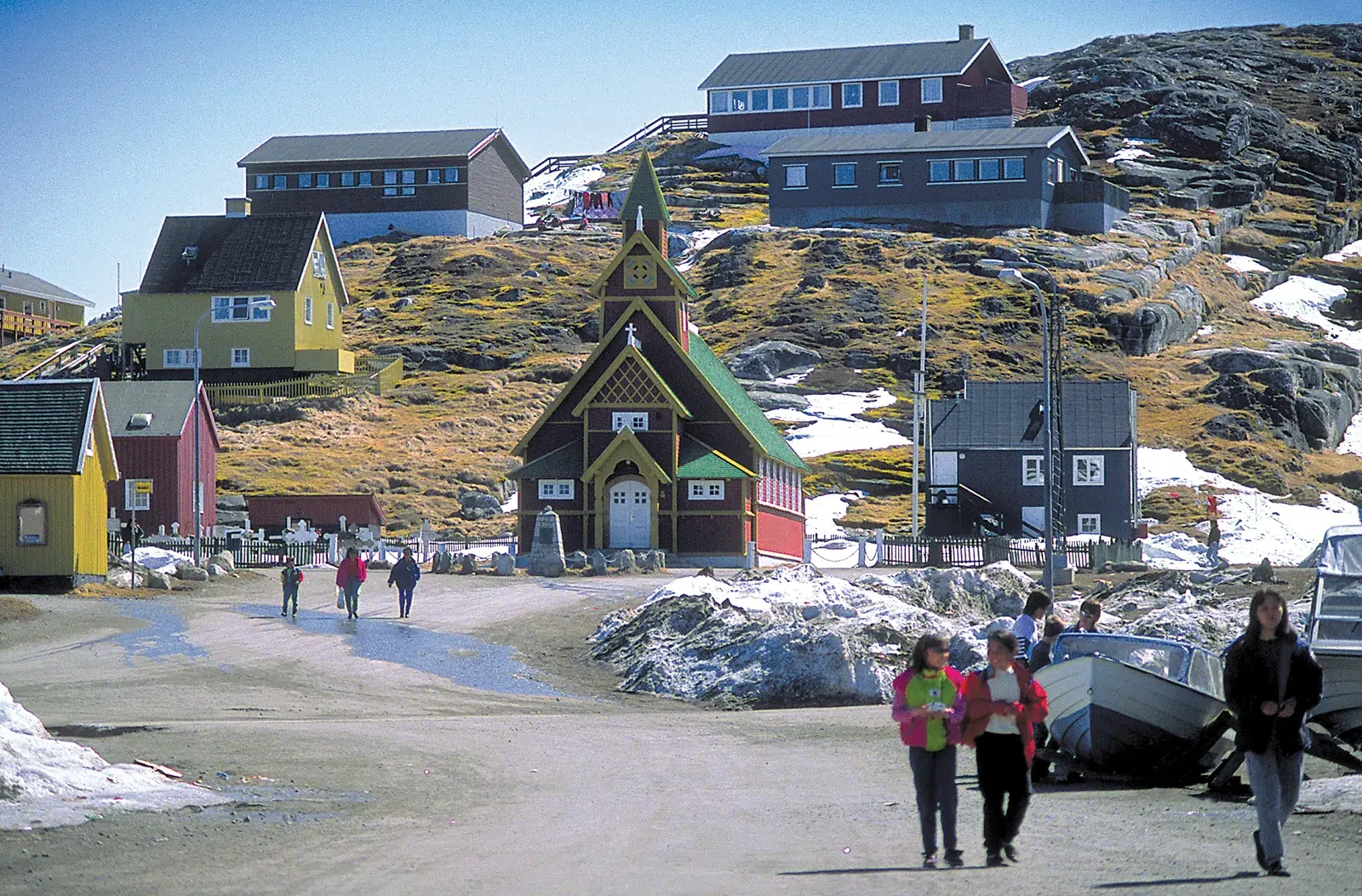
Stepping away from the icy expanses of Antarctica, I turned my attention to the second coldest country in the world: Greenland. This vast and rugged land forms an autonomous territory within the Kingdom of Denmark. In this breathtaking realm, the lowest temperature ever recorded plummeted to an astounding -69.6°C, marking it the coldest in the Northern Hemisphere.
Despite its proximity, the northern tip of Greenland is still about 700 km from the North Pole, yet the chill in the air can make it feel much closer. In Nuuk, Greenland’s capital, winter temperatures usually range from -10 to -20 degrees Celsius (14 to -4 degrees Fahrenheit). Venture into the interior or ascend to higher elevations, and the mercury can drop even further, sometimes reaching below -30 degrees Celsius (-22 degrees Fahrenheit).
Greenland’s dramatic landscape is largely defined by its ice sheet, which blankets approximately 80% of the country. This massive ice sheet is the second largest in the world, trailing only Antarctica. The ice dominates the geography, creating a stunning yet stark vista that challenges the hardiest of adventurers and scientists alike. In Greenland, the profound silence of the ice fields is as awe-inspiring as it is chilling, encapsulating the fierce beauty and brutal challenge of living in one of the coldest places on Earth.
3) Canada
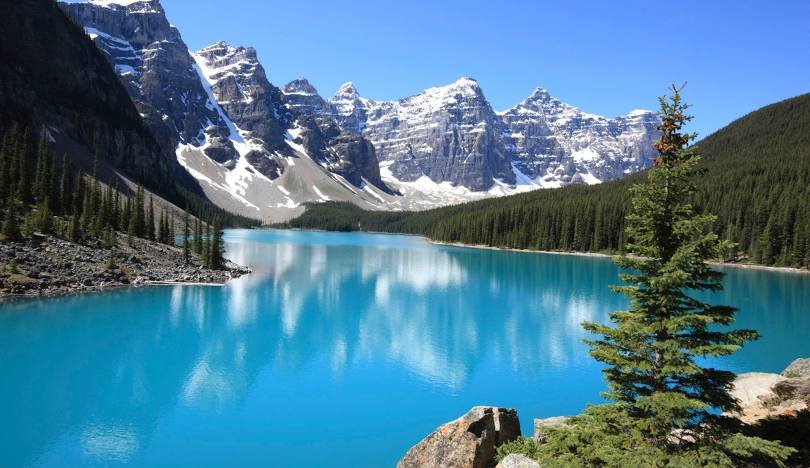
Continuing my frosty journey through the world’s coldest places, I simply couldn’t skip over Canada, ranking as the third coldest country globally. Known for its vast and varied landscapes, Canada’s climate is as diverse as its geography. Yet, it’s the severe cold of its winters that truly defines the Canadian environment, especially in its northern territories.
Picture this: in cities like Winnipeg, Yellowknife, and across the Yukon Territory, temperatures dive well below freezing, creating scenes straight out of a winter fairytale—forests blanketed in snow, lakes frozen into natural skating rinks, and rivers cloaked in ice. These conditions intensify in places like Nunavut, where winter temperatures often plummet to lows of -30 degrees Celsius (-22 degrees Fahrenheit). It’s a harsh yet mesmerizing winter spectacle.
But let me tell you, the Canadians have turned this icy challenge into a vibrant part of their culture. Winter sports like snowboarding, skiing, and ice hockey aren’t just hobbies—they’re a way of life that embodies the spirit and resilience of Canadian culture. The celebration of the frosty season reaches its peak at the Winter Carnival in Quebec City, a dazzling festival that not only embraces but celebrates the cold. Here, the frigid temperatures are not just endured; they’re celebrated, deeply woven into the nation’s cultural fabric, showcasing the beauty and strength found within Canada’s wintry embrace.

I’m guessing if you’re living in a hot country while reading this, you’ll want to check out our mini fan, your perfect escape from the scorch! Check it out now!
4) Iceland
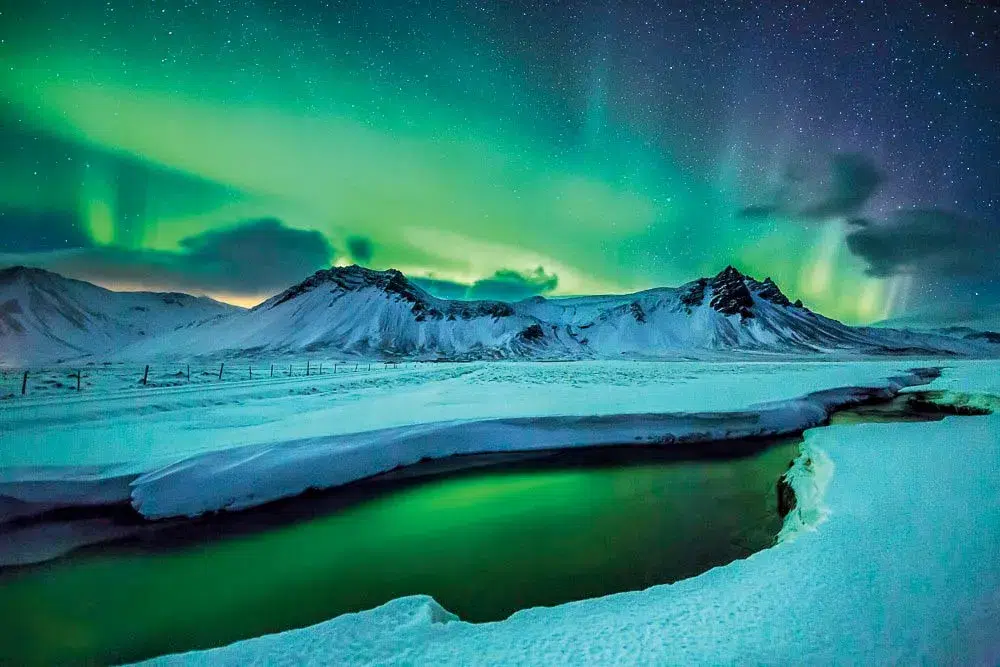
As I delve deeper into the chills of our planet, I must shine a light on Iceland. Contrary to popular belief, Iceland is not perpetually encased in ice. The perception of cold here is relative; visitors from places like Siberia or Canada might find the climate quite mild, while those from tropical regions may feel the chill more acutely. This variation is also influenced by the season and the specific locations you choose to visit within the country.
For adventure seekers looking to explore glaciers or ice caves, winter is the essential time to visit. During summer, these icy landscapes begin to thaw, making such expeditions risky. Despite the cold winds from the North Pole, the Gulf Stream softens the climatic severity, providing a temperate maritime influence that keeps the weather more stable than one might expect given Iceland’s proximity to the Arctic Circle.
Weather patterns in Iceland can be unpredictable, with December and January being the coldest months, often dropping below zero degrees Celsius. In contrast, July and August are warmer, with average temperatures around 10.4 degrees Celsius (50.7°F). The northern coasts feel colder due to the absence of the Gulf Stream’s warmth, contrasting with the generally milder southern regions. Overall, Iceland’s climate, while unstable, tends to be more forgiving than the extreme winters experienced in many parts of the United States and Europe.
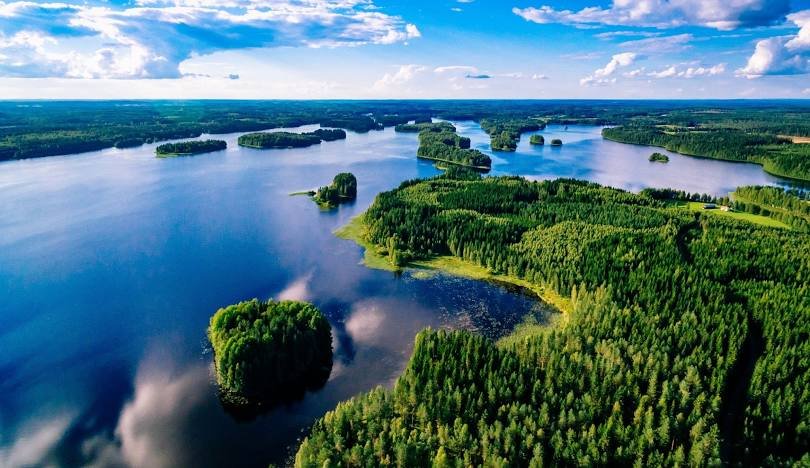
5) Finland
Ah, Finland—the fifth coldest country in my exploration, where the weather is as wildly unpredictable as it is fascinating. Imagine starting your day basking in sunlight and suddenly finding yourself under a downpour. This rapid shift from sunshine to rain is a hallmark of Finnish weather, keeping everyone on their toes. In the winter, the air fills with mild, cloudy, and wet weather due to troughs of low pressure from the North Atlantic, carried by southerly and southwesterly winds. Come summer, the weather heats up from the southeast, often bringing with it thunderstorms and heavy showers.
Let me tell you, whether you find yourself in Finland during the balmy summers or the frosty winters, the country holds a distinct charm that captivates tourists. The ephemeral beauty of autumn and spring, though fleeting, paints the landscape with stunning visuals. In September, for instance, Lapland’s leaves burst into vibrant colors after just a few frosty nights, offering a spectacle of fiery reds and golden yellows that last merely a week or two. As these colors fade in the north, they quickly reappear in the south, ensuring the spectacle continues.
And then there’s the spring—especially from March to April—when the snow in Lapland glistens like a sea of diamonds under plentiful sunlight. It’s a perfect time for a winter holiday, with the landscape transformed into a glittering wonderland. This magical interplay of light and ice, coupled with the crisp, fresh air, makes every moment in Finland not just a visit, but an experience. Whether engulfed by the swift weather changes or enchanted by the seasonal beauty, Finland’s climate is as dynamic as it is delightful, offering a uniquely invigorating encounter with nature.
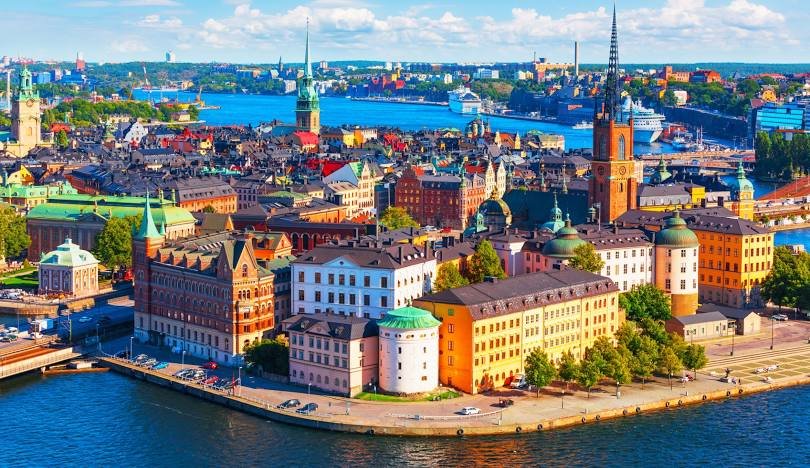
6) Sweden
As I delve into the enchanting realm of Sweden, it’s impossible not to be captivated by its climatic diversity, shaped significantly by its geographical length and the warming effects of nearby waters. Did you know that if you were to pivot Sweden from Malmö, it would stretch all the way down to Rome? This elongated form means that while the south enjoys mild winters with temperatures hovering above zero, thanks to the warming influence of the Öresund and the Baltic Sea, the north experiences the stark contrast of long, bitterly cold winters with temperatures plunging to minus 40 degrees Celsius.
Now, let’s talk about Kiruna, nestled well above the Arctic Circle, defining the subarctic climate. Here, the summers are pleasantly mild, with temperatures around 20 degrees Celsius, offering a brief respite from the extreme cold. However, winter paints a completely different picture, with the mercury dropping to a chilling minus 20 degrees Celsius. This stark seasonal contrast is not just a meteorological fact but a profound experience for anyone visiting or living in Kiruna.
Further enhancing the connection between these contrasting climates is the fascinating railway that runs from the mines in Kiruna to Narvik in Norway. Narvik, though closer and influenced by the continental climate, experiences milder winters with temperatures around minus 3 to minus 5 degrees Celsius and warmer summers around 12 degrees Celsius. This rail link is not just a vital conduit for the transport of iron ore but also a symbol of the profound interplay between nature and human endeavor in this part of the world. From the icy harbors warmed by the Gulf Stream to the serene, snowy expanses of northern Sweden, this region offers a unique glimpse into the resilience of nature and human life intertwined with it.

Discover your perfect solution to escape the heat! Check this one out!
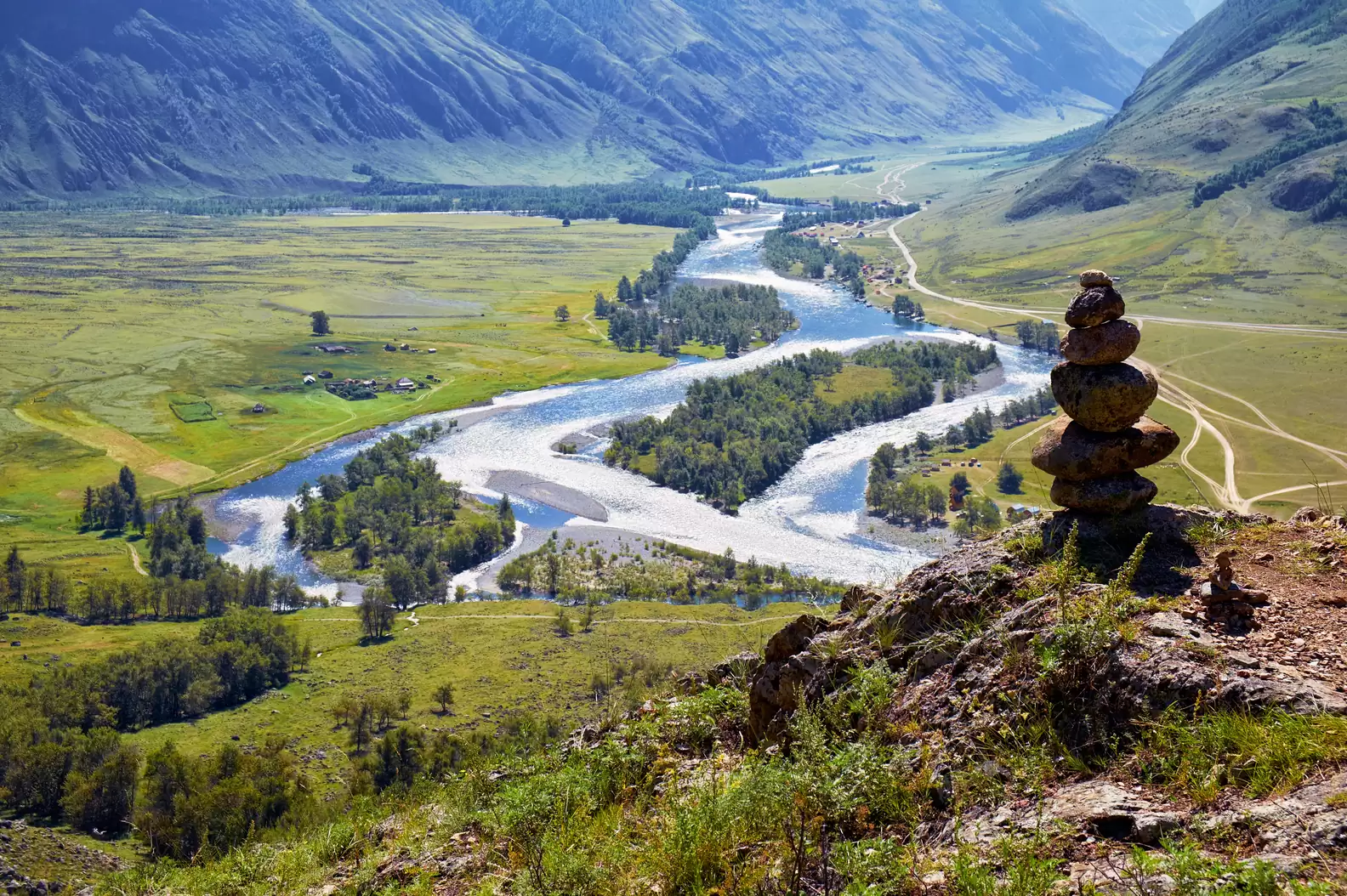
7) Russia
Venturing into the heart of Russia, I was struck by the sheer vastness of this land, encompassing 1/8th of the entire world’s land area. Yet, it’s the stark, cold desert of Siberia, east of the Ural Mountains, that truly captivates. Here, the cold doesn’t just nip; it roars, with temperatures plummeting to fearsome lows, crafting a landscape as stunning as it is daunting.
Beyond Siberia’s icy stretches, Russia unfolds in a rich tapestry of geographical diversity. From the majestic Caucasus Mountains, marking the border with Southwest Asia, to the volcanic terrains of the Kamchatka Peninsula in the far east, the contrast is striking. While the western regions feature rugged mountains, the eastern parts extend into vast, low-lying plains, showcasing a stark and intriguing beauty.
In the north, the tundra reigns, a place where extreme cold suppresses tree growth and permafrost locks the ground. As you move south, the scenery shifts to the dense, coniferous woods of the taiga, though logging has significantly reduced these forests. Surrounding the taiga are temperate forests, steppes, and expansive grasslands, creating a complex ecological mosaic that reveals the raw, untamed spirit of Russia’s heartlands.
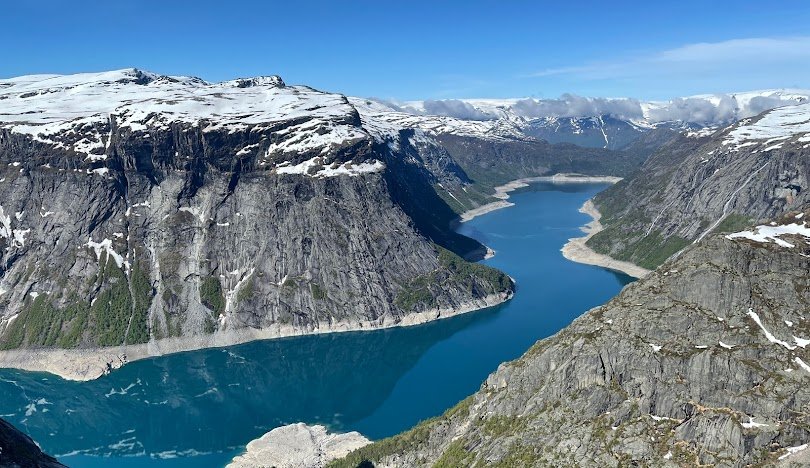
8) Norway
Exploring Norway’s climate, I was pleasantly surprised by its unexpected temperateness despite its far northern position. This milder climate is largely thanks to the North Atlantic Current and its extension, the Norwegian Current, which elevate the air temperatures significantly. The consistent southwesterly winds also play a crucial role, carrying warm air that battles the stereotypical Nordic chill.
Moreover, Norway’s coastal orientation from southwest to northeast uniquely positions it to welcome the temperate westerly winds deep into the Arctic zones. For example, take Brønnøysund, where the January temperature averages a staggering 15.8°C (28.6°F) warmer than Nome, Alaska, both of which are situated at similar latitudes around 65°N. This showcases the profound effect of Norway’s maritime influences on its climate.
These climatic factors combine to soften the severe cold expected at such high latitudes, maintaining a relatively mild winter compared to other regions at similar latitudes. Even though the temperature gap decreases by July, the overall gentler climate year-round highlights the unique and dynamic weather system of Norway, making it a fascinating topic for anyone interested in geography or climatology.
9) Mongolia
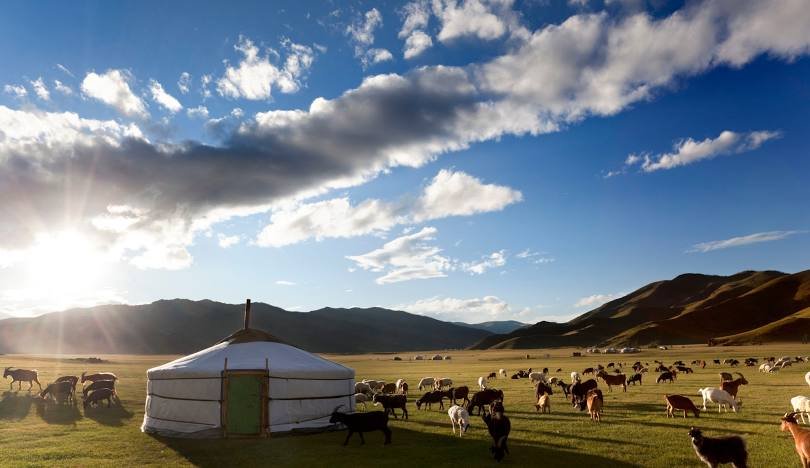
You might be surprised to learn that Mongolia, the “Country of the Blue Sky,” enjoys an astonishing 257 days of sunshine each year. This constant solar presence is due to a dominant system of high pressures, which drastically reduces rainfall across the region. From the lusher northern areas to the arid stretches of the Gobi Desert in the south, precipitation drops off, leaving some zones without rain for extended periods.
In Mongolia, the climate is an extreme affair. Temperatures in winter can plummet to -30°C, a sharp contrast to the short, yet pleasantly warm summers that sweep over areas like the Gobi Desert. Locals often remark that you can experience all four seasons in a single day, especially true in the transitional months of May and September.
This rapid change in weather not only dictates the natural landscape but also deeply influences the Mongolian cultural fabric. The adaptability required to live under such conditions is embedded in everything from traditional nomadic lifestyles to contemporary urban planning. Mongolia thus offers a profound glimpse into how dynamic weather patterns shape human resilience and cultural practices, all under an endlessly blue sky.
10) Kazakhstan
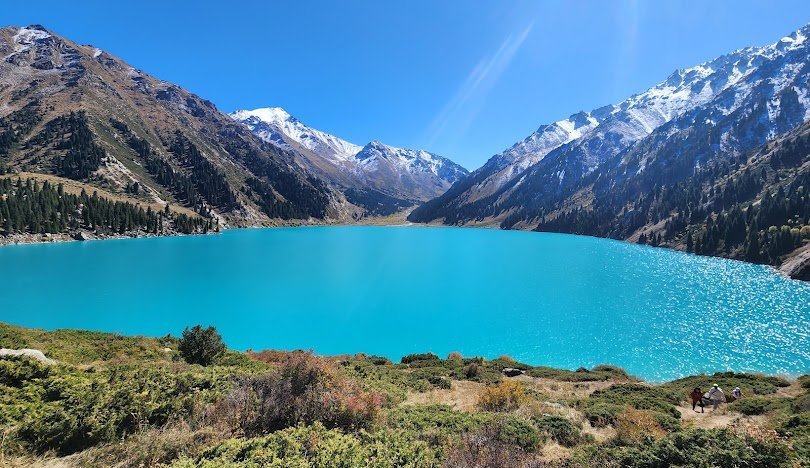
You might find it astonishing how Kazakhstan, distant from any ocean, experiences such dramatic shifts in climate due to its extreme continental positioning. Picture this: long, sweltering summers followed by winters so cold that temperatures have plunged to a bone-chilling -52°C in cities like Astana. Yet, amidst these frigid spells, there are surprising thaws where temperatures soar to as high as +5°C.
Winter in northern Kazakhstan isn’t just cold; it’s a marathon, stretching from October right through to April, with the briefest glimpse of spring lasting only about 1.5 months. Snow begins its descent in November and often doesn’t relent until April, blanketing the landscape in a thick, white layer.
The harshest of these cold spells was recorded in December 2012 to January 2013, when temperatures plummeted to an almost unfathomable -40 to -46 degrees Celsius. The impact was severe—power cuts, disruptions in hot water supply, and a breakdown in heating systems across northern, eastern, and central Kazakhstan, profoundly affecting over 5,000 individuals. Stranded truck drivers, local residents, the homeless, and street children suffered immensely during this period, highlighting the extreme challenges faced by those living in such an unforgiving climate.
If you’ve managed to read this far, you’re either captivated by the idea of traveling to one of these coldest country in the world, or perhaps you find yourself living in a scorching hot climate, dreaming of cooler days. Either way, why not check out our top 10 list of portable fans. These handy gadgets could be just what you need to save your summer!

References
- ^ “List of countries by average yearly temperature”. en.wikipedia.org. Retrieved 2 July 2024.
