
Ah, childhood memories! Remember those days of getting lost in play, your room strewn with action figures, dolls, or building blocks? And then, the inevitable moment when your parents would peek in, urging you to put down the toys and hit the books? I certainly do, and I wasn’t a fan either. Now, fast forward to today: you’re a parent yourself, and you find these questions circling in your mind. Should I replicate my parent’s approach, or carve out a different path? This brings us to the crucial questions: When do kids naturally stop playing with toys, and should you ever force this transition? Let’s dive deep into these queries, drawing from both expert opinions and personal insights to guide you through this parenting conundrum.
[ez-toc]
When Do Kids Stop Playing With Toys!
As soon as they wrap their tiny fingers around their first toy, children begin an incredible exploration of their surroundings. This isn’t just simple play; it’s a critical method through which they acquire their first understandings of the world. Engaging with the textures and colors of various toys, they’re not just having fun—they’re processing essential lessons in cause and effect, honing their fine motor skills, and nurturing a growing curiosity that propels their developmental journey. Each interaction with a new toy opens the door to invaluable learning opportunities, sparking those delightful lightbulb moments that parents cherish.
Is play important to a child's development?
The value of play has significantly evolved from being considered mere child’s amusement to a crucial component of childhood development. This transformation is largely due to groundbreaking brain imaging studies that have revealed the profound impact of play on developing essential neural connections. These insights show that play is not just beneficial but essential for the cognitive, physical, and emotional development of children. This newfound understanding has reshaped how educators, parents, and policymakers view play, recognizing it as a fundamental way to learn rather than just a simple pastime. This shift marks a pivotal moment in educational and developmental strategies, emphasizing the importance of integrating play into daily learning activities.
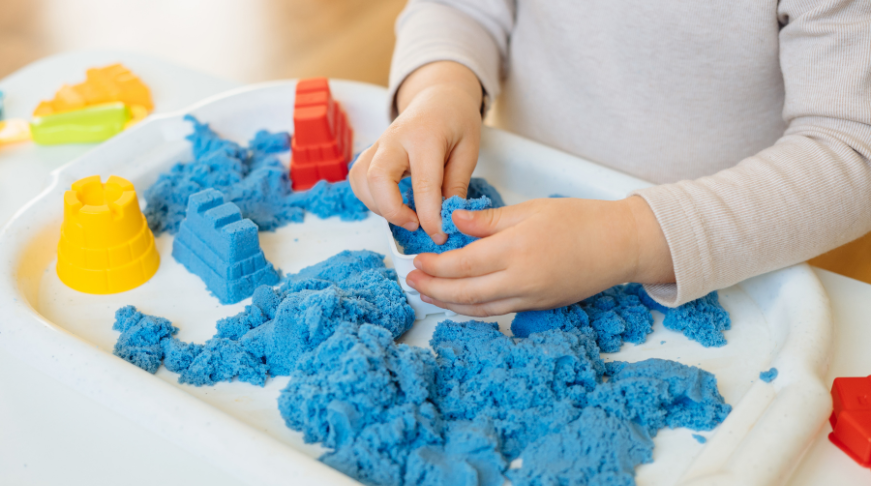
What is actually going on kids' minds?
I vividly remember watching my niece, barely a toddler, turning every corner of the house into her personal discovery zone. It was as if she was on a grand expedition, a journey I like to think of as the Age of Exploration. From the moment she opened her eyes each morning, every object held a new, thrilling potential.
Her first toys were simple yet magical in her eyes. A set of building blocks wasn’t just a collection of shapes; it was her first taste of creation, stacking them precariously as she squealed in delight at her towering achievement. A floating octopus in her bath wasn’t just a bath toy, but a mysterious sea creature from the depths of the ocean, sparking giggles as it bobbed around. And then there was her stuffed bear—worn from endless hugs, it was her steadfast companion in every pretend adventure.
As she grew, her play became more intricate. Toys were no longer just toys; they were tools that helped her make sense of the world. She’d push and pull things around, exploring how they moved and what they could do. Building forts and castles, she was not just playing; she was learning physics without even knowing what physics was. Her stuffed animals? They had names and voices, each with its own story, each a character in her elaborate play world.
Watching her, I realized just how magical this time is. To her, the simplest toy could be anything—a spaceship bound for Mars, a deep-sea vessel, or a secret hideout. It’s a time I believe every child should relish, immersed in play, learning, and above all, dreaming.
What are the benefits of playing toys?
I’ve always believed that toys are not just mere playthings; they are the gateways to a child’s development. When a child picks up a toy, it’s like they’re unlocking a treasure chest filled with limitless learning opportunities. The benefits of playing with toys stretch far beyond the realm of simple entertainment.
Let me paint you a picture from my own experience watching kids at play. When those little fingers wrap around a toy, whether it’s a puzzle piece or a building block, it’s not just a moment of fun. They’re honing their fine motor skills, each movement fine-tuning their dexterity and coordination.
But the magic of toys doesn’t stop with physical skills. As kids engage in setting up scenarios with dolls or constructing fortresses out of blocks, they’re also building critical foundations for more complex life skills like problem-solving and critical thinking. Every challenge they encounter and solve during play is a step towards mastering these essential skills.
And let’s talk about the role of imaginative play. When children dive into their make-believe worlds with action figures, dolls, or even cardboard boxes, they’re doing so much more than just playing. They’re weaving intricate tales that require understanding and navigating social interactions. This kind of play is crucial for developing empathy as they step into the shoes of different characters and see the world from multiple perspectives.
Moreover, the sheer joy and laughter that erupt from these playful moments play a pivotal role in their emotional well-being. These experiences are not just fun; they’re fundamental for emotional growth and are a natural form of stress relief.
So, when you see a child engaged in play, remember, the impact of these moments goes far beyond their early years. It’s about nurturing a more confident, capable individual who will carry these invaluable skills into adulthood. Truly, the influence of toys in a child’s life cannot be overstated.
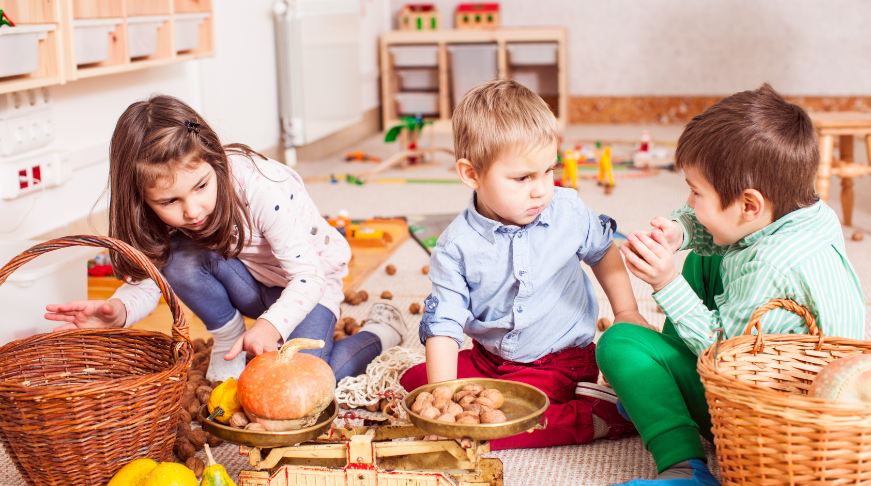
What are the average ages when kids lose their interest in Toys?
As children navigate through middle childhood, roughly between the ages of 6 to 12, their worlds expand dramatically. This period is characterized by a significant shift in interests—from solitary toy play to more engaging, social activities.
During these formative years, the allure of action figures and building blocks often gives way to the excitement of team sports, creative arts, and group projects. These activities not only promise new adventures but also opportunities to build friendships and develop new skills.
While toys still hold a place in their hearts, children in this age group gravitate towards those that offer a shared experience—like board games or construction sets that are best enjoyed with friends. This shift is a natural part of growing up, reflecting their need for greater social interaction and intellectual challenge.
Now i have answered your question, hear me out!
I will never forget that heart-wrenching day when I was just 12 years old. It was a sunny afternoon, but inside my room, the atmosphere felt as grim as a stormy night. My mother, with determined strides and her intentions clear, marched into my little world armed with several large black garbage bags. She declared that I was “too old for toys” and instructed me to keep only three.
As an only child with few friends, my toys were more than just objects; they were my allies in epic pretend battles. Most of them were action figures—robots and heroes that had stood by me through countless adventures. The thought of parting with them was unbearable—they were a part of my world. I resisted with all the fervor a twelve-year-old could muster.
Despite my protests, it was a losing battle. My mother was unyielding, and to my dismay, I saw my dad nodding in agreement with her. That day, I was forced to choose, and I held onto three precious action figures, the captains of my imaginary battles.
Now, at 29, the memory of that day remains vivid and painful. It taught me a profound lesson in the importance of respecting a child’s emotional attachments and their own timing in outgrowing interests. Although I’ve never had children of my own, I am certain about one thing: if I ever do, I will never force them to give up their toys. They will let go when they are ready, naturally transitioning away from their childhood interests. This is a promise I’ve made to myself, born from a childhood experience that continues to influence my principles today.
I truly owe a profound thank you to the remarkable insights and detailed resources provided by:
Toy Box City, whose article, “The Evolution of Play: What Age Do Kids Stop Playing with Toys?” has been an essential guide in understanding the transitional phases of play in a child’s life. The depth of analysis and the clear presentation of how children’s engagement with toys changes over time has been invaluable. You can explore this insightful resource here. (Viewed on 13/7/2024)
Edx Education, for their thorough and thought-provoking piece, “When do Kids Stop Playing with Toys, and Should They?” This article goes beyond just answering the question; it champions the ongoing importance of play and introduces the concept of STEM/STEAM toys that support continuous learning and development. Their passionate advocacy for sustained play across ages is truly inspiring. Check out their full discussion here. (Viewed on 13/7/2024)
Your contributions have not only broadened our understanding but have also emphasized the essential role of play in educational and personal development across all ages. Thank you, Toy Box City and Edx Education, for your dedication to enriching our perspectives on childhood play and education. Your work is greatly appreciated and continues to impact many.
